Long-form analysis and practical guides written by our Shanghai team. No fluff, no SEO filler — just the things we wish every first-time Chinese EV importer knew before they signed their first contract.
What's structurally different in 2026 versus 2023-24, why the old playbooks don't work, and how independent Geely/Zeekr dealers are actually winning in this cycle.
Not theoretical. A practical walkthrough of capital requirements, first-year volume, showroom and service setup, and the three business models that actually work.
The warranty situation for imported Chinese EVs in markets without official distributor presence is messier than it looks. Here's what's realistic, what's not, and how to structure your own customer commitment.
Low FOB is not the same thing as low total cost of ownership. A practical guide to the affordable Chinese EVs that earn their price tag.
Not a listicle. After shipping containers of Chinese EVs for three years, here are the ones we'd actually stock in an emerging-market showroom — and the ones we'd skip.
Every automotive publication has a 'top Chinese brands' listicle. Most of them are written by people who haven't shipped a car. This one is organised by what matters when you actually have to sell them.
Chinese EV brands are often lumped together in Western coverage. They shouldn't be. A structured tier list across premium, mainstream, and budget.
Ten years ago, 'Chinese luxury car' was an oxymoron. In 2026 it's a category Geely Holding Group has quietly become very good at — driven mostly by Zeekr.
Not every emerging market has the charging infrastructure for pure BEVs. This is the segment where China has quietly opened a durable lead.
Not every emerging-market buyer needs a long-range mid-size SUV. Fleet-grade ride-hail, last-mile delivery, and young urban retail buyers all want something small, cheap, and efficient.
A ride-hail platform buying 50 Geely Galaxy E5s operates very differently from a single-car retail importer. Fleet pricing, fleet service, and fleet homologation all have their own logic.
The BYD price you see on Chinese-domestic listing sites is not the price you'll pay to export one. Understand the gap between China MSRP and landed export cost.
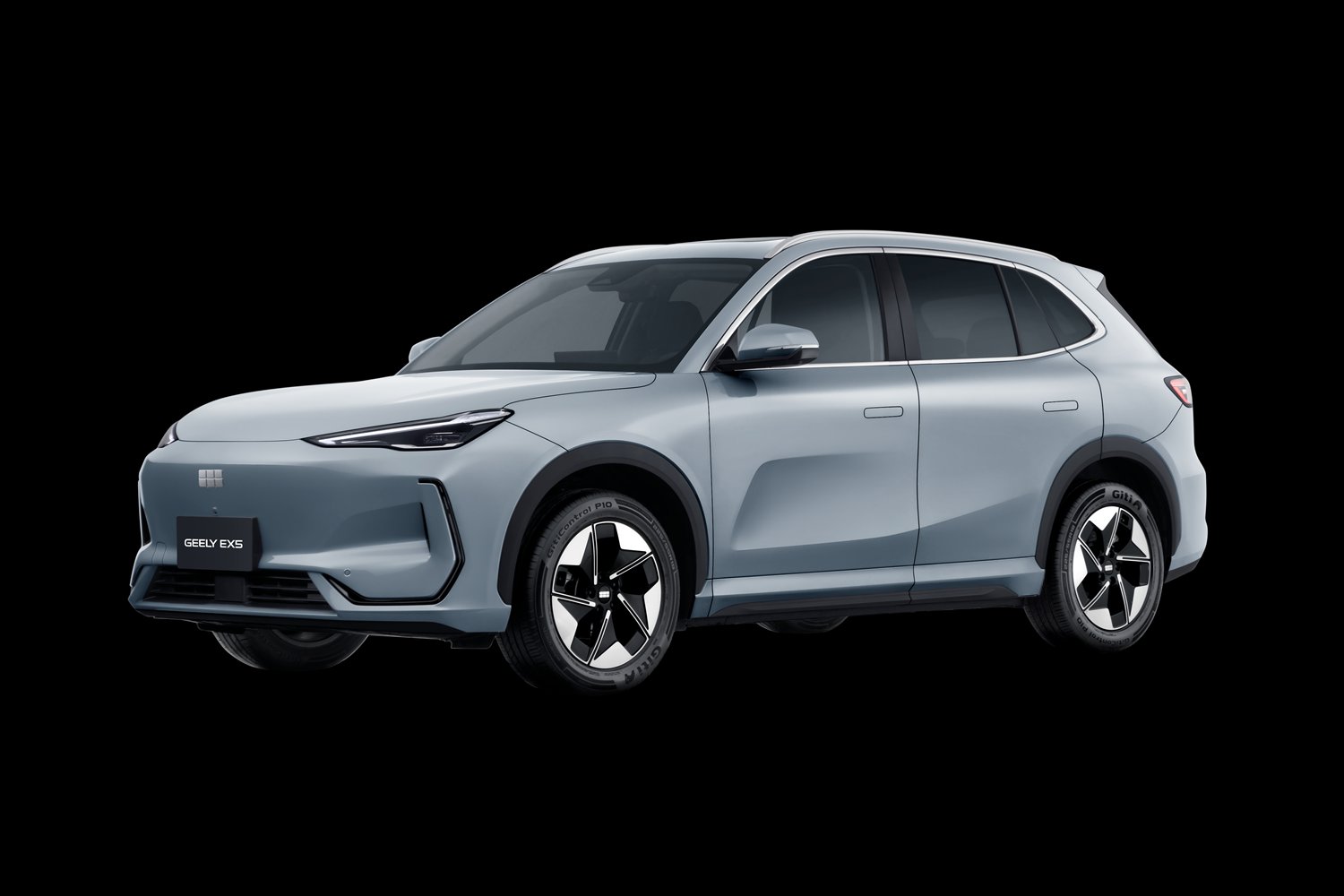
A practical pricing and export guide covering Geely's main export models in 2026. Why Geely's portfolio fits independent dealers.
A complete overview of Zeekr's export lineup in 2026. Which markets have direct-distributor presence, where independent dealers still have room.
The UAE has become one of the most important export destinations for Chinese cars in 2026 — especially at the premium end. Here's how the market actually works for small and mid-volume dealers importing through Jebel Ali.
Mexico is a unique market — geographically adjacent to the US, tariff-complicated, and already served by strong Chinese manufacturer presence. This is how independent dealers can still win.
Europe is no longer a 'future' market for Chinese EVs. For independent importers, the question isn't whether to enter Europe but where the structural gaps still are.
Every forwarder will tell you SKD saves money. Sometimes they're right. Sometimes it's irrelevant complexity that costs you more than CBU. Here's how to tell which is which.
A structural breakdown of where your money goes on an EV import — vehicle, shipping, duties, registration, partner fees — so you can model it for your market before asking for a quote.
The "Chinese cars are copies" reputation made sense in 2008. In 2026 it's embarrassingly out of date. Here's what actually changed — and what hasn't.
After enough first-timer shipments, the mistakes become predictable. Seven things that trip up new importers — and how experienced dealers sidestep them.
The used Chinese EV export market is growing fast but remains regulatory-messy. What's legitimate, what's grey-market, and how to verify what you're buying.
First-time importers almost always start on Alibaba. Usually they stop there fast — once they realise what they're actually looking at.
China launches dozens of new EV models every year — most are irrelevant for export dealers in emerging markets. Here are the few 2026 launches that actually matter.
Three Chinese EV brands that frequently appear in the same buyer consideration set — but solve very different problems for an export dealer.
A structural overview of how Chinese EV exports actually work in 2026 — who makes what, who ships where, and how independent dealers plug into the supply chain.
Factory RHD versus aftermarket conversion is not a small distinction. A reference on what's factory RHD, what's aftermarket, and why you should never buy the latter.
A reference table of shipping mode recommendations for the markets we actively serve, with the reasoning behind each.
A buyer pulling up a spec sheet wants one number first: range. Here are the Chinese EVs that clear 700 km CLTC in 2026 — and which real-world numbers to trust.
Incoterms are boring and they also determine who pays if a container falls off a ship. If you're importing Chinese cars, three of them matter: FOB, CIF, and DDP.
Send an RFQ via WhatsApp or email. Our Shanghai export desk will scope your requirements and return a qualified FOB / CIF / DDP quotation — typically within one Shanghai business day.